Harder to Find, Better to Keep: The UK Creators Burying Their Best Work on Purpose
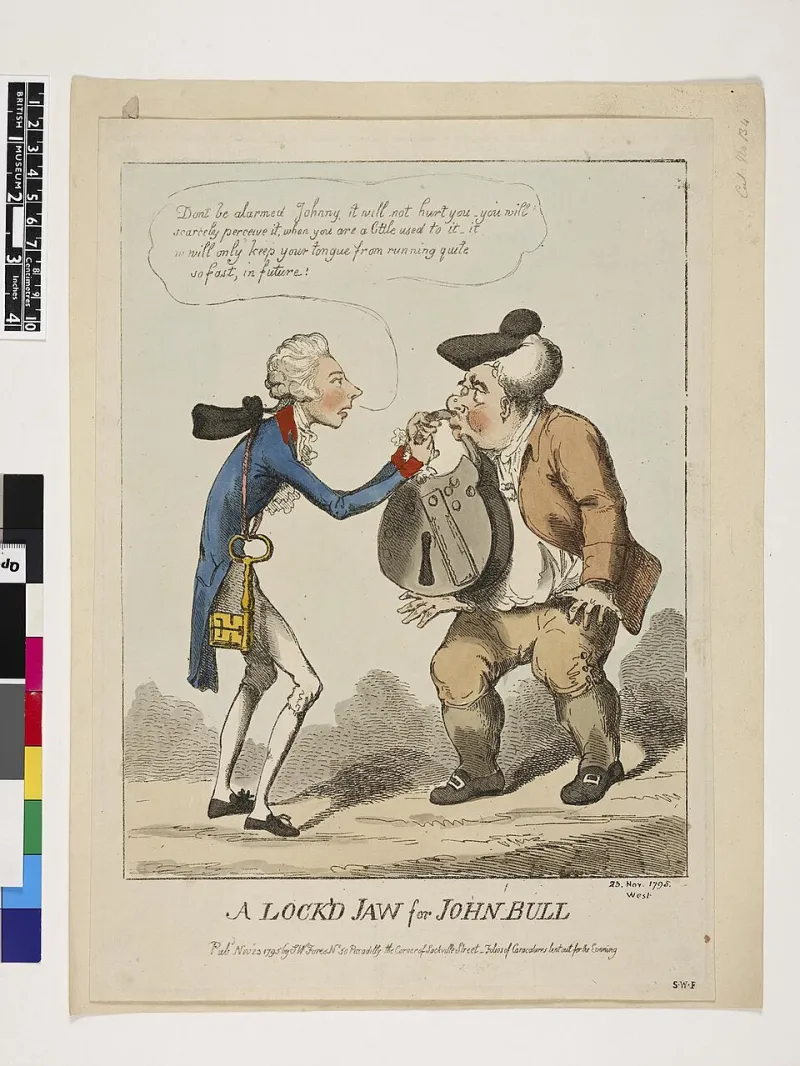
Photo: Unknown, Public domain, via Wikimedia Commons
Try to find the zine. That's the whole test. It doesn't have a website. It doesn't have a social account. It exists in 40 photocopied copies and one of them is on a shelf in a Bradford record shop next to the second-hand dub and a bowl of sweets. If you don't already know someone who knows, you're not reading it.
A few years ago this would have been called a failure of reach. In 2026 it reads as a statement of intent.
Everything is free, and nothing is worth anything
We should be clear about the mood. It isn't nostalgia. Nobody making a hand-stapled zine or a pirate radio show is pining for a lost internet, because the internet they're annoyed at is the one that made everything instantly available and somehow exhausting anyway.
The complaint is more specific than that. It's that discovery has been automated and therefore optimised, and that optimisation has flattened everything into the same grey paste of stuff that performs. A recommendation engine doesn't care whether something is good. It cares whether it retains attention, and the surest way to retain attention is to be loud, familiar, and shaped like the thing you already liked.
So the reaction isn't anti-internet. It's pro-effort. If a machine is going to suggest things to you regardless, the argument goes, then the interesting stuff has to move somewhere the machine can't easily follow.
"The feed is a shop window with the shutters down," says a newsletter writer in Leeds, who puts out an 800-word letter most Fridays with no title, no archive page and no subscribe button anywhere public. You get added by emailing her. She decides. "It's not a secret society. It's just a door. I'd like there to be a door."
Print, post, word of mouth
What the deliberately obscure actually do, in practice, is less dramatic than it sounds. They post things. They just don't post them where they'll be found.
A print run so small it doesn't need a distributor. A flyer in three record shops and one laundrette. A night with a flyer that says the venue, not the line-up. A radio show on a tiny station with a playlist posted after the fact and nothing else. A group chat you get into by being handed into it.
None of it is new. What's new is the reasoning. Ten years ago, obscurity was what happened when you couldn't get traction. Now it's increasingly a filter — a way of ensuring that the people who turn up have already done a small amount of work, and therefore probably want to be there.
"It changes the room," says a DIY promoter in Manchester. "I've done the thing of posting a night and getting 200 people in who'd seen it fly past and thought it looked okay. It's fine. It's a gig. But forty people who heard through someone who cares is a completely different evening. It's loud, it's friendly, and nobody's standing at the back filming it."
And there's a practical benefit nobody likes to say out loud: if it's hard to find, it's hard to scrape. The wave of AI-generated slop that now floods every feed has no interest in a photocopied zine that isn't indexed. There's a perverse comfort in a business model that has no digital footprint to mine.
The curated guide (which you'll have to text a friend about)
So what's out there, if you go looking? A brief, non-exhaustive map, with the deliberate caveat that half of these won't mean anything to you unless you live near them.
The photocopied zine economy. Still alive, still brilliant, still basically unsearchable. The best ones aren't in shops at all. Ask at the counter of an independent record shop in any mid-sized city. Be prepared for the answer to be "oh — the one with the blue staples? Try the bloke who runs the café."
Small-scale newsletters. The ones worth finding tend to arrive sideways: someone forwards you one, you reply, and only then do you get the address. They read like letters, they're not doing personal branding, and they'll stop when they run out of things to say rather than fill a slot.
Pirate-adjacent radio. Not the legal drama, the actual listening. Tiny stations and streamed shows where the host isn't playing the same eleven tracks. Listings are sparse by design. Follow the host, not the station.
Invite-only nights. No Facebook event. No poster in the street. If it's any good, it becomes word-of-mouth, and then word-of-mouth becomes a strange sort of quality control, because the only way anyone hears about it is from someone who actually recommends it.
Flyposted and hand-distributed art. Posters, stickers, tiny casseroles of photocopies pasted up overnight. Free, local, and gone by Tuesday.
The honest caveat
Obscurity is not a virtue in itself. Lots of things are hard to find because they're badly made or badly organised, and "you had to be told about it" is exactly how exclusive scenes become a way for small groups of people to congratulate themselves.
But there's something genuinely appealing about work that treats your attention as a resource you spent rather than one it extracted. You had to hear about it. You had to show up. You had to be handed a stapled thing by someone who was quite nervous about handing it to you.
That's not a model for everything. It's not a business plan. It's a doorway, and the point of a doorway is that not everyone walks through it at once.
If you want the zine, ask someone. It's a bit awkward. That's the barrier, and it's working.