Say the Magic Word: Britain’s Password-Only Café Menus Are Having a Moment
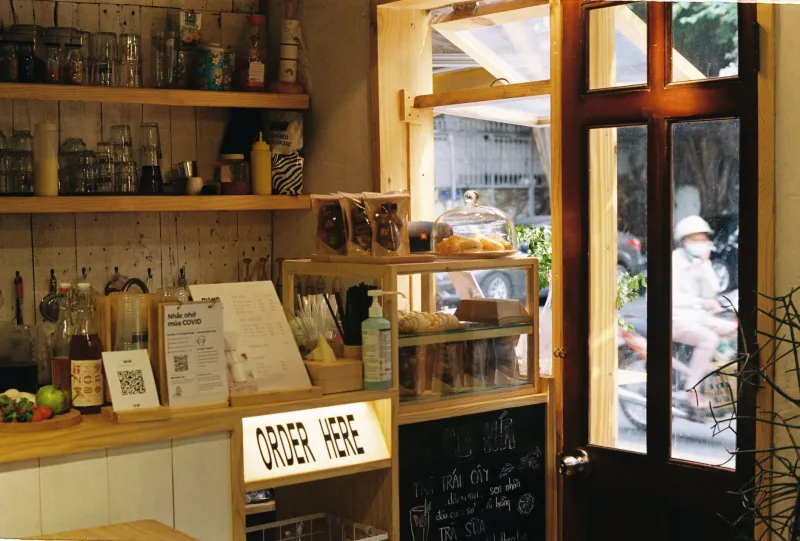
There is a café in Bristol where the menu stops at the counter. The laminated version lists flat whites, sourdough, a couple of cakes. The good stuff — a burnt-honey croissant, a nduja and egg bap, a Sunday-only miso mushroom toastie — lives somewhere else. To get it, you have to know the phrase. This week it is 'the weather is doing its best'. Say it, and the person behind the till smiles, nods, and reaches under the counter.
It sounds wanky. It is also, according to the people who run these places, working. Across the UK — Leeds, Glasgow, Cardiff, Peckham, Brighton — cafés, bars and supper clubs are tucking specials behind small hurdles: a password in a Discord channel, a QR code on the back of a receipt, a riddle posted to a mailing list at 7am. Nothing as dramatic as a speakeasy. More like a loyalty scheme for people who like a bit of theatre with their breakfast.
The clue is in the group chat
'We started it because our regulars kept asking for things that weren't on the menu,' says Mara, who runs The Second Door in Bristol. 'Someone would want the off-menu toastie, someone else would want the chilli oil we make in batches. We put a password in the group chat as a joke. Then people started bringing friends and making them say it.'
The joke became a system. Now The Second Door posts a new phrase every Friday on its close-friends Instagram story and in a small Discord server. There are about 300 people in the server. On a good Saturday, maybe 40 use the password. 'It's not about excluding people,' Mara says. 'It's about giving the people who already care something to care about.'
That line comes up again and again. In Leeds, a bar called The Lantern hides its Saturday snack menu behind a QR code printed on receipts. Scan it and you get a one-page site with three dishes and a note: 'Tell the bar you're here for the little menu.' In Glasgow, a supper club called Hearth & Rye sends a riddle to its mailing list on the Monday before each sitting. Solve it, reply with the answer, and you get first refusal on two seats. In Cardiff, a café has gone fully old-school: no QR codes, no Discord, just a passphrase that changes monthly and is printed on the bottom of the till receipt.
A quiet rebellion against the five-star economy
The timing feels deliberate. Public menus are now reviewed, photographed, ranked and argued about in public. A single one-star review can dent a small business. A viral post can turn a quiet Tuesday into a queue around the block. Secret menus offer something else: a part of the business that Google cannot see.
'You can't review-bomb a toastie you don't know exists,' says Priya, 29, who found The Lantern's QR code on an oat latte receipt in Leeds. 'It felt like being let in on a joke that wasn't at anyone's expense. I've been back four times since. I'm not even sure I'd call myself a regular, but I know the password.'
Owners describe the hidden menu as a pressure valve. The public menu stays consistent and easy to run. The secret menu can change weekly, use up surplus ingredients, or test a dish before it goes mainstream. It also creates a small, self-selecting focus group: people who are already invested enough to read a Discord announcement or solve a riddle about a local bus route.
'Our public menu is for tourists and first dates,' says Cal, who runs a bar in Peckham with a password-only Sunday roast. 'The secret menu is for people who live nearby and don't want to feel like they're eating in a content studio. It's not anti-newcomer. It's pro-regular. There's a difference.'
The regulars who crack the code
Not everyone is convinced. One café owner in Brighton told me she tried a secret menu for three months and packed it in. 'It was too much admin,' she says. 'You end up explaining the password to people who forgot it, or people who think you're being pretentious. We're a café, not a puzzle box.'
But the customers who like it really like it. Tom, 34, in Glasgow, has a note on his phone listing the passwords he has used this year. 'It's a bit silly,' he admits. 'But it's also the only loyalty scheme I've ever stuck with. I don't want a stamp card. I want to feel like I know something.'
That feeling is the product. In a world of algorithmic sameness — the same recommendations, the same trending dishes, the same five photos of the same eggs — a password is a tiny bit of friction. It says: this is for you, but only if you're paying attention. It is, in its own small way, a handshake.
Where it goes next
The obvious risk is that secret menus become another thing to collect and broadcast. Already, TikToks are appearing with captions like 'the hidden menu you need to try'. The moment a password goes viral, it stops being a password. Owners seem aware of this. Some change the phrase weekly. Some cap the Discord. Some, like Mara, refuse to post the password anywhere public at all.
'If it gets too big, we'll just change it,' she says. 'The point isn't the secret. The point is the people who bother to look.'
Which might be the most British thing about it. We love a queue, but we love a loophole more. And if the loophole comes with a miso mushroom toastie, even better.