Who Mourns a Dead Forum? Britain’s Digital Obituarists
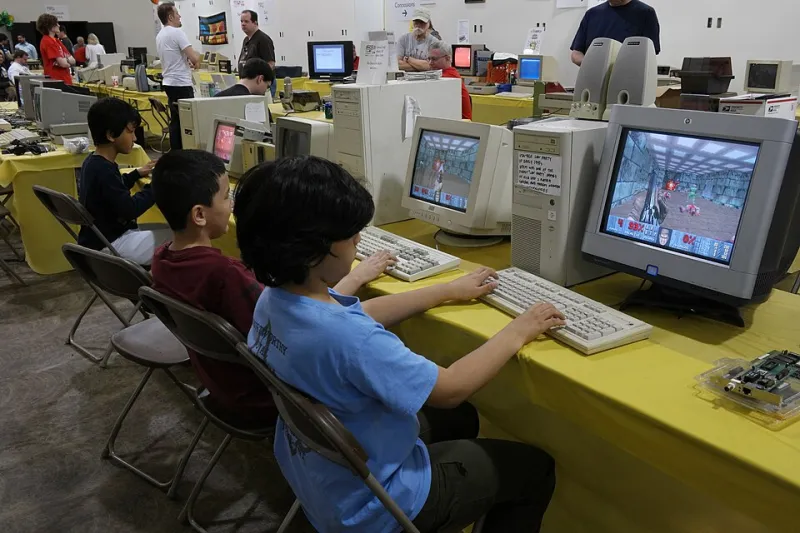
Photo: Kevin Savetz, CC BY 2.0, via Wikimedia Commons
The first digital obituary I read was for a website about dry-stone walling. It was 400 words long, posted on a personal blog, and it ended with the line: ‘The walls are still there. The forum isn’t.’ It should have been absurd. Instead, it was strangely affecting.
That is the peculiar work of Britain’s website obituarists: a loose network of archivists, writers and former moderators who write memorials for defunct local forums, abandoned fan sites and online shops that have quietly disappeared. They are not usually paid. They are not always noticed. But they are building an archive of loss that says something about how we live online now.
The Librarian of Dead Links
Nadia, a librarian in Bristol, runs a small newsletter called Dead Links. Each issue profiles a website that no longer exists. ‘I started it because I kept finding references to sites that had vanished,’ she says. ‘A recipe blog. A local history forum. A shop that sold one specific kind of lamp. There was no record of what they were like. It felt like watching buildings get demolished without photographs.’
Her obituaries are not reviews. They are attempts to describe the atmosphere of a place. ‘Most people don’t mourn the server,’ she says. ‘They mourn the room the server made.’
The Ex-Moderator
Callum, 41, spent six years moderating a Scottish football forum. When it closed in the late 2010s, the announcement was three lines long. He wrote a longer piece for a supporters’ site. ‘It was a village hall that got knocked down,’ he says. ‘People met there. People argued there. Some people got married because of it. You can’t just put up a message saying “server costs” and expect that to be the end of the story.’
His obituary included the forum’s running jokes, its banned phrases, its most persistent trolls and the night a match thread went so wrong that the site briefly became a baking forum. ‘I wanted to record the texture,’ he says. ‘Not just the facts.’
Why We Grieve Websites
Digital grief is not new, but it has become more specific. We are now far enough into the web’s life that many of us have lost places we used to visit daily: local messageboards, fan archives, small shops, clubs, comment sections that felt like pubs. When they vanish, the loss is not just informational. It is social. The link is dead, but so is the room.
Priya, a web archivist in Manchester, thinks the obituary form helps people name that feeling. ‘A dead forum is a village hall that’s been demolished,’ she says. ‘A dead fan site is a fanzine that got wet. A dead shop is a high street unit with the shutters down. We know how to mourn those physical things. We are less practised at mourning the digital versions.’
The Ethics of the Eulogy
The obituarists are careful about what they write. Not every dead site deserves a warm send-off. Some were nasty, badly run or built on exploitation. ‘I try to write them as if the founders might read them,’ says Nadia. ‘That keeps me honest. It also stops me being cruel for the sake of a good line.’
The best digital obituaries are specific. They mention the colour of the homepage, the moderator who always typed in capitals, the shop’s ridiculous returns policy, the thread that went on for 11 years. They are less about technology than about manners: how people behaved when they thought only a few others were watching.
What Gets Remembered
In 2026, the internet is very good at preserving the present and very bad at preserving the recent past. Platforms collapse, domains lapse, images break. The obituarists are not solving that. They are doing something smaller and more human: noticing. They are saying that a website mattered, even if it was only a website about dry-stone walling.
‘A website’s life is often invisible,’ says Callum. ‘An obituary makes it visible for a minute.’ If you remember a dead site, say so. Somewhere, a person is waiting to read that it existed.