Wings and Wi-Fi: The Pigeon Fanciers Teaching TikTok to Watch the Sky
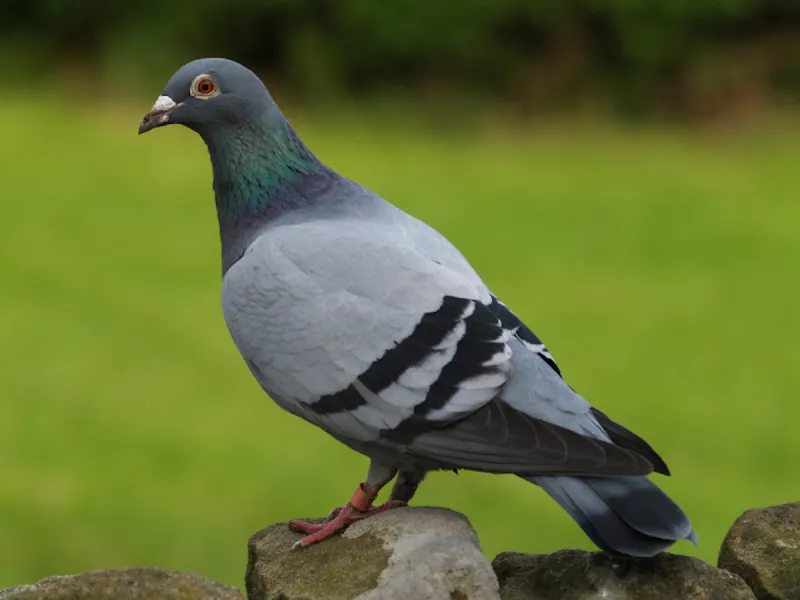
Photo: pigeon fancier loft UK racing pigeons TikTok filming, via www.pestworld.org
At 6.15am in Doncaster, Davey is filming pigeons. He is not filming them in a romantic, slow-motion way. He is filming them because one of them has learned to stand on the hose, and he thinks it is funny. The clip lasts eleven seconds. It gets 40,000 views on TikTok. The comments are mostly variations on the same theme: 'why is this so calming' and 'I did not expect to care about a pigeon today'.
Davey is 58 and has kept pigeons since he was nine. He is also, unexpectedly, part of a new wave of pigeon fanciers using TikTok and YouTube to show a sport that has been part of British working-class life for generations. The birds do not know they are content. The fanciers do. They are filming loft routines, race-day nerves, and the distinct personalities of birds that most people see only as grey shapes in a car park.
The Loft Is the Studio
'People think it is just old men in flat caps,' says Davey. 'It is old men in flat caps. But it is also young lads, women, and people who just like birds. The internet has made it easier to show that.' His setup is simple: a phone on a tripod, a loft with a good light, and a routine that does not change. He feeds the birds. He cleans the loft. He lets them out. He films the way they circle the house before landing. 'The circling is the best bit,' he says. 'It is the bit that makes people go, oh, I get it.'
Race Day, Filmed
Pigeon racing is a simple sport with complicated feelings. Birds are taken to a liberation point, released, and then they fly home. The fancier clocks them in. The fastest bird wins. The distances can be hundreds of miles. The waiting is the point. On TikTok, the waiting becomes a story. Fanciers film the sky. They film the clock. They film the moment a bird appears on the horizon and the fancier says, 'There he is,' in a voice that is trying not to sound too excited.
'Race day is nerve-wracking,' says Karen, 44, a club secretary in the North East. 'You have sent your best bird. You do not know where it is. You do not know if it is coming. And then you are filming it for people who have never even seen a pigeon race. It is strange. But it is good.' Karen started posting clips of her club's races in 2024. She now has a small following and a recurring question in her comments: 'How do I start?'
The Bird Has a Personality
The videos work because the birds are not generic. They have names. They have habits. One bird likes the hose. Another bird likes to sit on the fancier's shoulder. Another bird is 'a nightmare' and 'knows exactly what he is doing'. The fanciers talk about them the way people talk about dogs. This is the secret of the genre: it is not really about racing. It is about a relationship.
'You get to know them,' says Davey. 'They have moods. They have days when they do not want to fly. They have days when they do. You can tell from the way they come out of the loft.' He shows me a clip of a bird called Blue, who is standing in a bucket. 'Blue is an idiot,' he says, affectionately. 'But he is fast.'
The Club Secretary's Verdict
Karen is cautious about the online moment. She likes the attention. She worries about the wrong kind. 'You do not want people treating it like a joke,' she says. 'It is not a joke. It is a sport. It is also a way of life.' She has used the videos to explain the basics: the rings, the clocks, the training. She has also used them to correct people who think the birds are 'just flying rats'. 'They are athletes,' she says. 'They are also pets. They are both.'
What the Algorithm Gets Right
The algorithm has done something the sport has struggled to do for years: it has found an audience. The videos are not polished. They are not trend-chasing. They are just a person, a bird, and a loft. That is enough. The comments are full of people asking how to get started, or saying they remember their grandad's pigeons, or simply watching in silence.
'The internet is good for this,' says Davey. 'It lets people see the ordinary stuff. The feeding. The cleaning. The waiting. That is the sport. The race is just the bit at the end.' He goes back to filming. The pigeons are circling. The phone is still running. The sky is the feed.