The Brass Rectangle Society: Britain’s Rogue Plaque Makers Are Commemorating Potholes, Chip Shops and One Beloved Cat
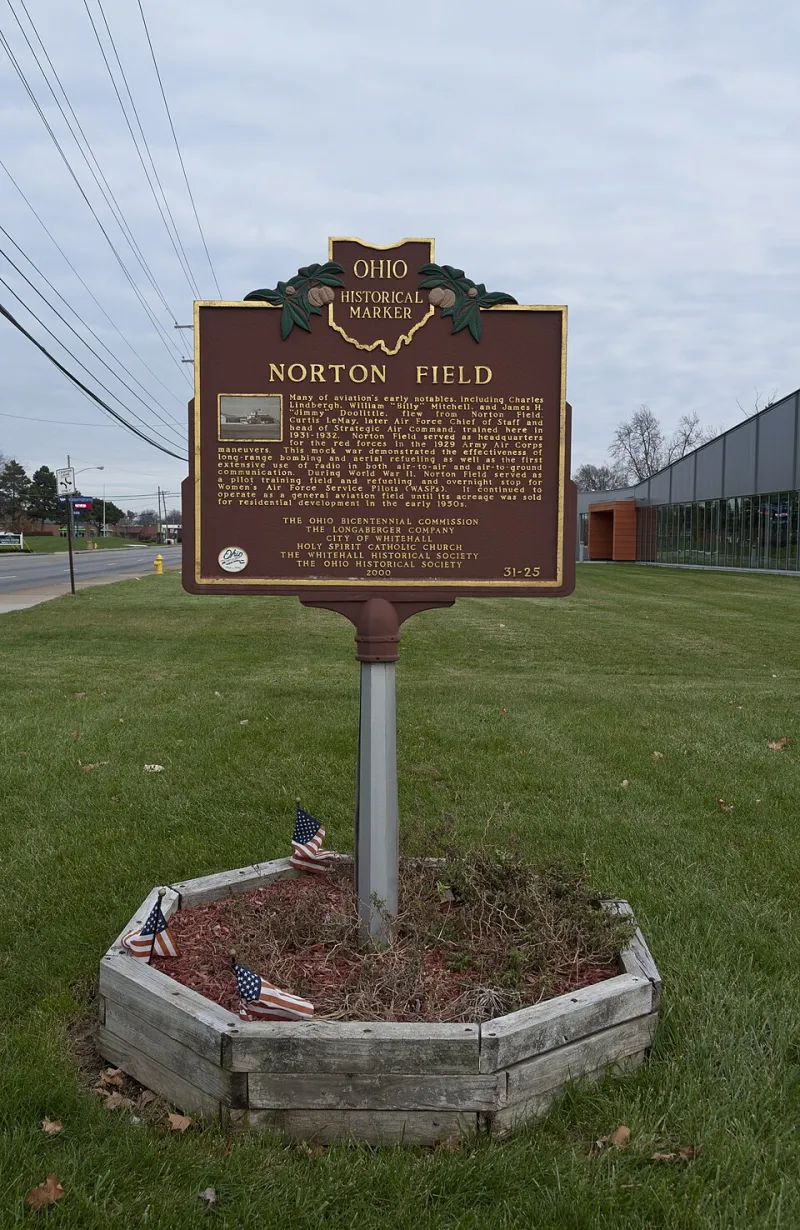
Photo: Sixflashphoto, CC BY-SA 4.0, via Wikimedia Commons
In Britain, the blue plaque is a secular halo. It says: this person was important, this building witnessed something, this street produced a mind worth remembering. But walk down the right back lane in 2026 and you will find a different kind of plaque entirely. It is slightly wonky. The font is not quite right. And it commemorates a chip shop.
A chip shop with heritage status
On a brick wall in Walthamstow, a small brass rectangle announces that between 1987 and 2019 this was the site of a chip shop whose salt-and-vinegar chips were, and I quote, ‘the reason half the street stayed in the street.’ The shop is now a vape outlet. The plaque was installed by a local graphic designer called Ruth, who describes herself as ‘not a historian, just a person with a drill and a long memory.’
Ruth is part of a loose, unorganised, mildly obsessive movement of amateur plaque-makers across the UK. They are not waiting for committees. They are not applying for permission from heritage bodies. They are buying blank brass plates online, getting them engraved at a retail park, and screwing them into walls with the quiet determination of people who have decided that the ordinary deserves a footnote.
The chip shop plaque is typical of the genre. It is funny, but it is also sincere. It is a pre-emptive obituary for a place that mattered before it became a vape shop. And it is a small act of resistance against the idea that heritage belongs only to castles, cathedrals and men with sideburns in oil paintings.
The pothole plaque and the politics of place
In Leeds, a pothole got a plaque. The wording was simple: ‘This pothole was first reported in 2018. It outlasted three council leaders, two road surveys and one mayoral election. It remains.’ The plaque was installed overnight by a group of neighbours who had grown tired of watching the hole swallow tyres, traffic cones and one small wheelie bin. It was funny. It was also a form of local accountability, drilled directly into the pavement.
The council did not remove it. A spokesperson called it ‘creative’ and ‘not entirely without merit,’ which is council-speak for ‘we have bigger problems.’ The plaque is still there. The pothole is still there too, which is arguably the point.
This is where unofficial plaques get interesting. They are not just commemorations. They are arguments. They say: this thing exists, it affects us, and it deserves to be seen. They are heritage as passive aggression. They are also, more often than not, made by people who love where they live and are simply tired of waiting for the official version of that love to arrive.
Cats, kebab vans and the etiquette of going unofficial
In Glasgow, a pub cat called Mackerel got a plaque after fourteen years of mouse-catching, sofa-sitting and a late-career surge in Instagram fame. The landlord approved. The plaque-maker was a regular. The wording was careful: ‘Mackerel. Cat. Landlord emeritus. 2008–2022. Never bought a round. Never had to.’
There is an etiquette to this. Unofficial plaque-makers will tell you that. Do not cover an official plaque. Do not put one on a private home without asking. Do not use cheap adhesive that will fail in the rain. Do not make it about yourself. Do not plaque a living person unless that person is a cat, and even then, get the cat’s human to sign off. The rules are unwritten, but they are real, and they are enforced by the same force that governs all small-town mischief: the fear of being quietly judged by a neighbour.
The subjects vary. A kebab van in Bristol. A bench in Sheffield where a man fed the pigeons every morning for thirty years. A bus stop in Margate that became an unlikely meeting place for a group of teenagers who are now in their thirties and still meet there once a year. The plaque is a way of saying: this mattered. Not to the nation. To us.
Why brass, why now?
Because brass is cheap. Because it weathers. Because it looks official even when it isn’t. Because it is the opposite of a tweet. It does not disappear down a feed. It does not get ratioed. It sits there, in the rain, asking to be read by someone who has nowhere particular to be.
There is also something deeply British about the form. We love a small rectangle with writing on it. We love a bit of civic impropriety. We love a story about a chip shop almost as much as we love the chip shop itself. The unofficial plaque taps into a long tradition of local eccentricity: the homemade sign, the guerrilla garden, the bench with a name on it that nobody can quite explain.
And in 2026, when so much of our daily commemoration happens in feeds and group chats, a plaque is a slow post. It is a physical object that says: someone stood here and decided this was worth remembering. That is not nothing. That is, in fact, the whole point.
The small-town committee of it all
There is a Facebook group for this. Of course there is. It has around four thousand members and a tone that sits somewhere between a local history society and a group chat planning a heist. They trade tips on fonts, fixings and where to buy blanks. They argue about whether a plaque about a closed pub is too sad. They maintain a Google Map of known unofficial plaques, which is both helpful and slightly against the spirit of the thing.
Not everyone loves it. Some councils see it as vandalism. Some building owners get twitchy. There is always someone who thinks a plaque about a pothole is ‘in poor taste’ when it is, in fact, in excellent taste. But the backlash is part of the ritual. The unofficial plaque is a small negotiation between affection and authority, and the negotiation is the fun bit.
The future is small and brass
The unofficial plaque does not solve anything. It does not fix the pothole. It does not bring back the chip shop. It does not make Mackerel the cat less dead. But it does make a street feel authored. It makes the ordinary feel documented. It says: we were here, and we noticed.
That is the kind of offbeat civic culture Sirvez was built for. Not the official version. The version with the wonky screws and the slightly wrong font. The version that commemorates the things we actually remember. In 2026, the brass rectangle is having a moment. And the best ones are the ones that make you stop, read, and think: I remember that.