No Signal, Full Schedule: The Bedroom Stations Making Local Radio for Towns That Never Had It
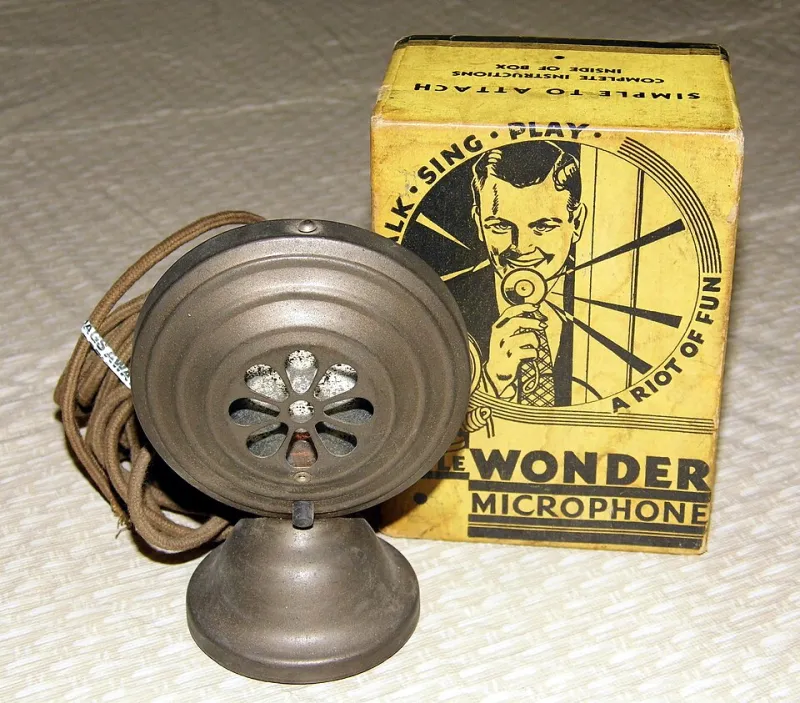
Photo: Joe Haupt from USA, CC BY-SA 2.0, via Wikimedia Commons
On a Sunday evening in a spare bedroom somewhere off the A61, a man in headphones is reading the weather. He has a jingle, a slogan and a slightly too-warm voice for the size of the room. He also has a traffic bulletin warning of delays near a roundabout that has never once been congested. The station does not broadcast. It uploads. By Monday morning, the whole thing will exist as a web page with a play button, a schedule and a small but devoted audience of people who know exactly which roundabout he means.
This is the quiet boom in make-believe local radio: hobbyist stations built for real UK towns that either never had a proper station or lost the one they had. They are not pirates. There is no transmitter in the loft, no Ofcom van outside. Instead there are bedroom DJs, jingle-makers, web designers and people who really enjoy writing parish notices in the style of a 1990s breakfast producer. The output is part radio station, part local history project, part inside joke.
The station that exists only in a browser tab
Most of these stations begin with a simple itch: what would local radio sound like if it were made by someone who actually liked the place? Not the polished, playlist-driven version that survives on commercial FM, and not the anxious, cuts-hit version of public service broadcasting. Something smaller. Something with a farm report and a dedication to a woman called Brenda.
The architecture is usually the same. A website with a listen-live button that plays a pre-recorded loop. A schedule with breakfast, mid-morning, drivetime and a Sunday evening slot for weird records. A jingle pack made in GarageBand or bought from a voiceover site for less than a takeaway. A traffic bed. A weather bed. A news bed that sounds like it costs more than the news does.
One station in a West Yorkshire mill town has a full weekday schedule, a Saturday sports show covering a fictional non-league team and a Sunday request hour where listeners can email in for songs that were never actually requested. Another, in a coastal town, runs a shipping forecast for a harbour that has been mostly marina since the 1980s. The details are the point. Anyone can make a playlist. A schedule has to answer to the breakfast slot.
Why make a schedule nobody hears?
Because the schedule is the art. These stations are not trying to trick anyone into believing they are real. They are trying to build the feeling of shared broadcast culture without the licence, the transmitter or the pressure to actually be live. The pleasure is in the grammar of local radio: the handover between shows, the travel update read over a bed, the parish notices that mention a coffee morning and a lost cat in the same breath.
There is also a very British kind of nostalgia at work. For people who grew up with local radio as background furniture—the hospital radio request show, the Saturday morning football phone-in, the adverts for a carpet warehouse read by the owner's son—the form still carries a charge. It sounds like a town talking to itself. In an era of personalised streaming, that is an increasingly rare sensation.
And there is craft. Writing a believable breakfast show is harder than it looks. You need a pace, a persona, a reason for the traffic to matter. You need to know when to drop the weather and when to let a jingle breathe. The hobbyist broadcasters spend months on schedules that nobody hears live, then upload them as archives for anyone who wants to drop in later. It is radio as model railway: not a replacement for the real thing, but a loving, slightly obsessive miniature of it.
Traffic and tributes: the grammar of local radio
The best stations are deeply specific. A traffic bulletin will mention a real retail park, a real bypass, a real level crossing that is always down when you are late. A parish notice might refer to a real village hall, a real quiz night, a real vicar with a fondness for a particular hymn. The fiction is not in the place names. It is in the fact that the station exists at all.
That specificity is what turns a project into an inside joke. Locals recognise the references before they recognise the joke. A station in a small town might run an advert for a fictional double-glazing firm whose slogan is just the owner's name said twice. Weeks later, someone will use that slogan in a group chat. The station has done its job. It has given the town a private language.
Some of these projects have Discord servers where listeners suggest slogans, invent DJs and argue about the schedule. Others are run by one person who simply enjoys the discipline of a 6am start, even if the 6am start is pre-recorded on a Tuesday afternoon. The audience is tiny, distributed and often finds the station by accident. But the stations are not really built for an audience. They are built for the idea of one.
The town-sized inside joke
There is a lovely tension in these stations: they are sincere about something that is obviously fake. The jingles are real. The effort is real. The schedule is real. The town is real. Only the broadcast is invented. That makes them oddly moving. They are a way of saying that a place deserves its own breakfast show, even if the economics have decided otherwise.
This is not a rant about the state of UK local radio, though the context matters. Commercial consolidation and cuts to public service local output have left many towns with less of the everyday, slightly boring, deeply local broadcasting that used to fill the air. The hobbyist stations are not filling that gap. They are too small, too personal, too weird. But they are noticing it.
And they are having fun. One station's Sunday schedule includes a gardening phone-in where all the callers are voiced by the same person doing different accents. Another runs a nightly dedication show for listeners who have not written in. The joke is gentle, but it is also a form of care. Someone has imagined a town where the radio knows your name, or at least knows the roundabout you hate.
A signal for nobody in particular
By the time you read this, another bedroom station will have launched with a full schedule, a logo and a traffic bed. It will have no live listeners. It will have a breakfast show, a drivetime show and a parish notice about a coffee morning. Somewhere in the town it is named after, someone will find the link, listen for ten minutes and send it to a friend with the message: have you heard this? That is the whole distribution plan. It is also, in its own odd way, the whole point.
We are used to radio being something that comes to us. These stations are something we go to, like a tiny museum of a town's imaginary self. They do not need a signal. They just need a schedule, a jingle and someone willing to read the weather for a place that never asked.