The Rosette Is the Point: Britain’s Tiniest Village Awards Are Having a Moment

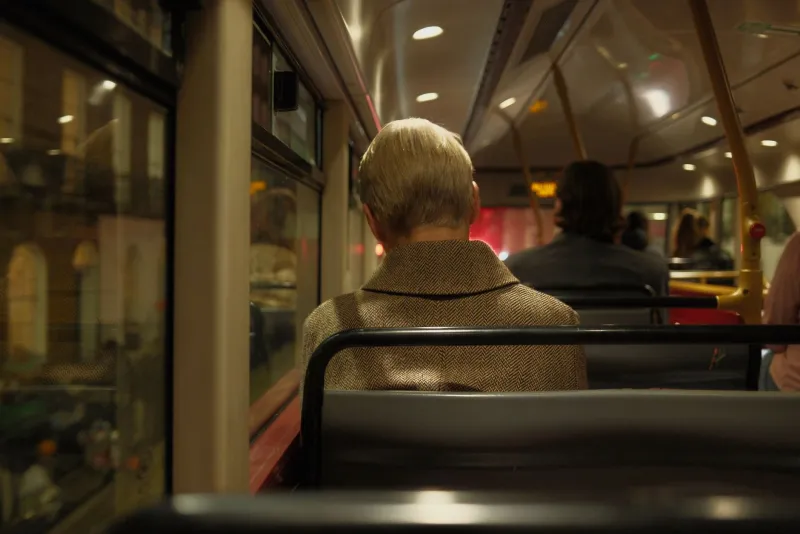
Photo by Photo by Haydon on Unsplash on Unsplash
At 3.07pm on a Sunday in September, a village hall in Suffolk briefly becomes the O2. There is a trestle table of cakes, a raffle with a ham as first prize, and a single rosette so stiff with starch it could double as a coaster. This is awards season, parish edition.
Not the BAFTAs. Not the Brits. Not whatever the algorithm has decided is culturally important this week. The UK’s hyper-local awards are quieter, stranger and — if you ask the people who organise them — considerably more binding. Best runner bean. Most improved bus shelter. Scarecrow with a resemblance to a named local figure. In 2026, when so much of our attention is farmed at scale, there is something almost radical about a prize that only twelve people can win and everyone else has to hear about for a year.
The Categories Are the Comedy and the Point
A village show schedule is a beautiful document. It reads like a poem written by a committee with a laminator. Class 14: three runner beans, straightest. Class 22: photograph of a local landmark, no filters. Class 31: jam, any fruit, label on the underside. Then, tucked between the floral art and the children’s decorated egg, you get the categories that make the parish hall feel like a very specific episode of a very specific television programme.
Most Improved Bus Shelter is not a joke. Judges consider graffiti removal, timetable legibility, the absence of mysterious damp, and whether the bench has been fixed without visible screws. A scarecrow category that honours a beloved postman is not a joke either — it is a portrait commission made from a broom handle, a cardigan and an uncanny ability to capture the angle of a man’s cap. The comedy is in the specificity. The point is the same.
The People Behind the Prizes
Let’s call her Margaret. She is 71, a retired school secretary, and she runs the entry desk with the calm of an air traffic controller. Her spreadsheet is printed out, pinned to a noticeboard and annotated in three colours. She knows that Mrs Patel’s marrow is in Class 9 and that the vicar has entered the same photograph in two categories, which is against the rules but not against the spirit.
Margaret is not a visionary in the Silicon Valley sense. She is a visionary in the sense that she has persuaded fourteen people to bake, grow, build or photograph something and then bring it to a hall on a Saturday morning. That is a civic achievement. She also knows where the good trestle tables are stored.
Then there is Colin, a retired joiner who makes the trophies. They are not bought from a catalogue. They are offcuts of oak, sanded and varnished, with a brass plaque ordered from the key-cutting shop in town. The budget is roughly £38 and the finish is better than most industry awards I have seen. Colin’s philosophy, as relayed by his daughter, is simple: a trophy should feel like it has been in someone’s shed. It should have weight. It should look like it might have been made by a person who once fixed a gate for you.
The Acceptance Speech Is a Folk Art
The speeches are short. They are also perfect. A winner will thank the committee, the weather, Derek from the allotment, and everyone who did not win. One year, a man accepted Best Marrow by holding it aloft and saying, ‘I’d like to thank the slug that spared it.’ The room went up. Not because it was a great line, but because everyone knew the slug. Everyone knows the slug.
This is the difference between a parish award and a corporate one. In a corporate awards ceremony, the winner thanks the team. In a village hall, the winner thanks the neighbours who lent them a ladder, the person who watered the beans while they were in Skegness, and the bus shelter that finally got a new roof. The speech is not a performance. It is a receipt.
Why a Rosette Hits Harder Than a Like
Algorithmic fame is broad and shallow. It is a number that goes up. A parish rosette is narrow and deep. It is a number that goes up in front of people who know your name, your dog, and the exact spot where you park badly on a Sunday. That is a different kind of pressure. It is also a different kind of pleasure.
Recognition, it turns out, is not about scale. It is about specificity. A like says someone saw your post. A rosette says someone measured your runner bean against a wooden gauge and found it wanting, or not wanting, as the case may be. A rosette says you were entered, judged and placed. A rosette says you are part of the schedule.
The Red Carpet Is a Roll of Green Felt
The staging is modest. There is a tea urn. There are folding chairs that have been stacked since the spring fete. The red carpet is a roll of green felt that lives behind the stage curtains. The paparazzi are a WhatsApp group called ‘Village Show Pics’ and a woman called Jan with a phone case shaped like a cat.
But the atmosphere is not modest. When the winner of Most Improved Bus Shelter is announced, the applause is genuine. The bus shelter has been through a lot. It has been rained on, leaned against and briefly used as a skate ramp. Now it has a plaque. Now it is art.
The Rosette Economy
There is a quiet industry here. Rosette makers, plaque engravers, judges who travel between villages and never mention what they saw in the competition. There are rules about what counts as amateur and what counts as taking the mickey. There are categories that have been quietly retired because they caused a feud in 1998 and nobody wants to reopen that wound.
The awards are not trying to go viral. They are trying to get the hall filled. They are trying to make sure the schedule goes up on time and the tea urn is hot. In 2026, that feels like a more interesting metric than reach. It is certainly harder to fake.
If you get a chance this autumn, go to your local show. Clap for the bus shelter. Clap for the marrow. Clap for Derek. The rosette is the point.